

電車の種類
Types of trains
-
普通列車
Local trains
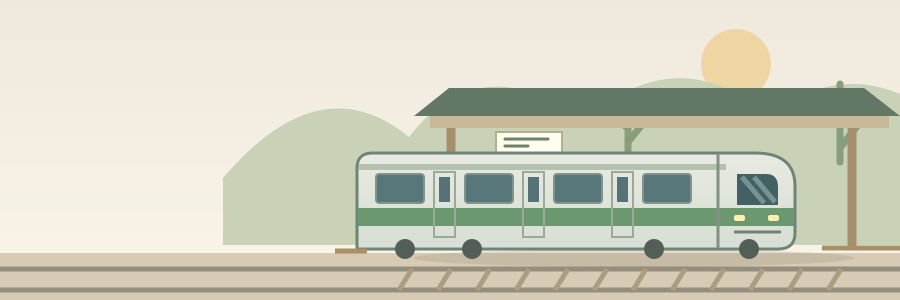
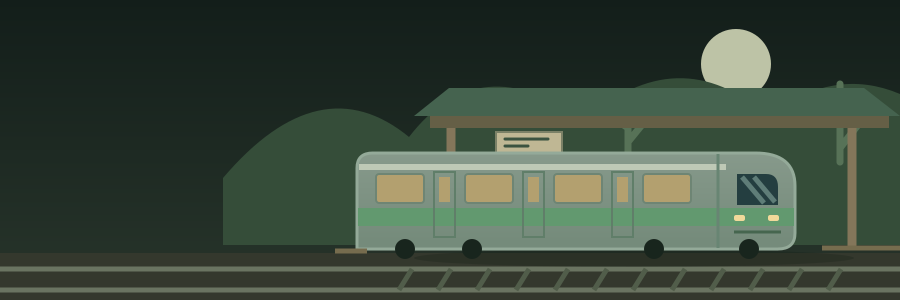
は、ふつう、それぞれの駅に止まります。「」と呼ぶこともあります。近くの町や小さな駅に行くときに便利です。乗る前に、をしましょう。
Local trains usually stop at each station. They are also sometimes called kakueki-teisha, meaning all-stations trains. They are convenient for visiting nearby towns or smaller stations. Check the destination before getting on.
-
快速
Rapid trains
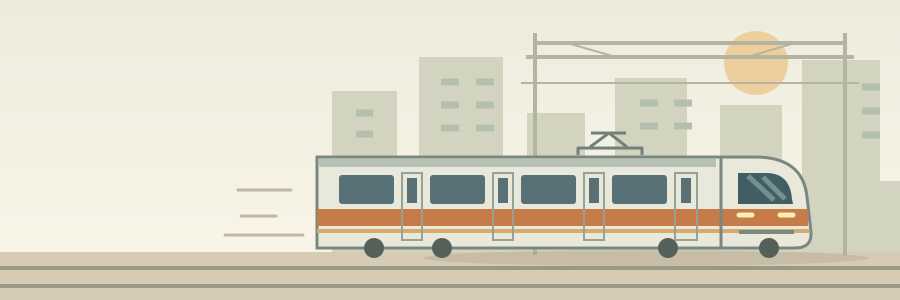
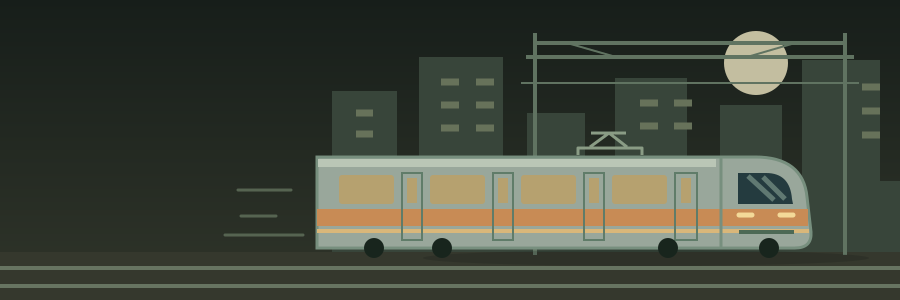
は、いくつかの駅に止まらない列車です。より早く着くことが多いです。JRのは、だけで乗れることが多いです。降りたい駅に止まるか、でしましょう。
Rapid trains skip some stations. They often arrive sooner than local trains. On JR rapid trains, a basic fare ticket is often all you need. Check the route map to see whether the train stops at the station where you want to get off.
-
急行
Express trains
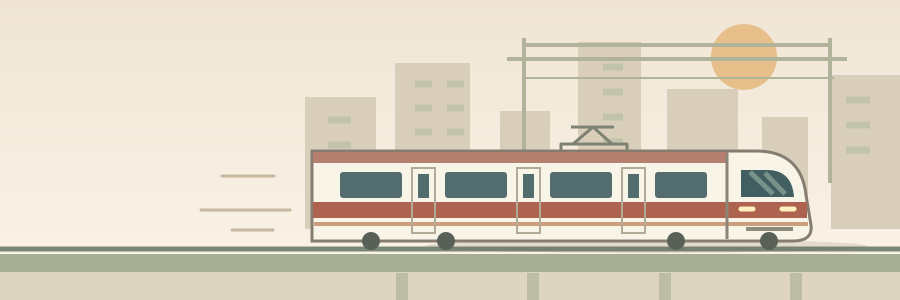
は、より止まる駅が少ない列車です。会社や路線によって、止まる駅やが違います。途中でにこともあります。わからないときは、駅員さんに聞きましょう。
Express trains stop at fewer stations than local trains. The stops and charges differ depending on the railway company and line. You may sometimes need to change to a local train along the way. If you are unsure, ask a station staff member.
-
特急
Limited express trains
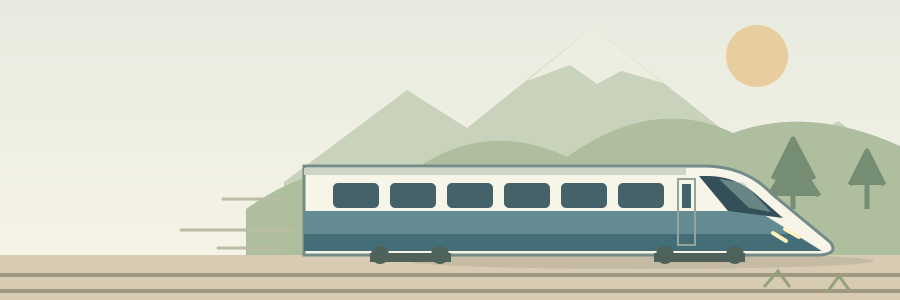

は、止まる駅が少なく、遠くへ行くときに便利です。JRのに乗るときは、のほかにも必要です。別のがかからないもあるので、乗る前に調べましょう。をすると、自分の席が決まります。
Limited express trains make fewer stops and are convenient for longer journeys. When riding a JR limited express, you need a limited express ticket as well as a basic fare ticket. Some railway companies also run limited express trains with no extra charge, so check before boarding. Booking a reserved seat gives you an assigned seat.
-
新幹線
Shinkansen (bullet trains)
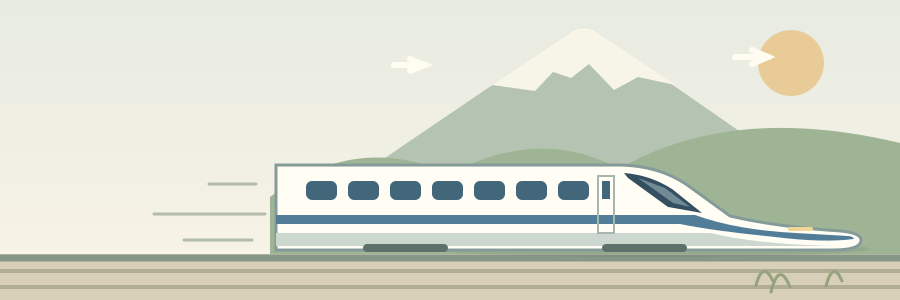
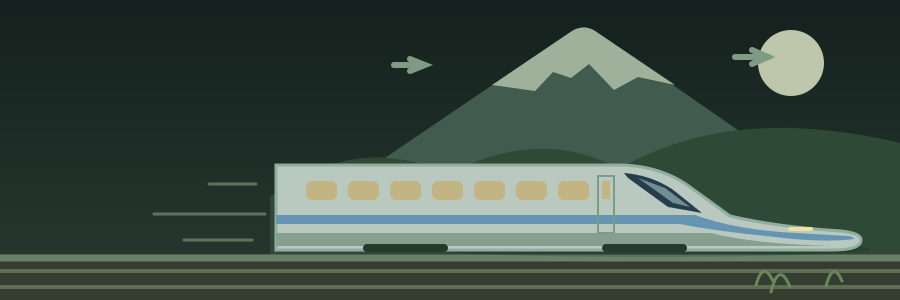
は、とても速く走る列車です。東京や大阪など、遠くの町へ旅行するときに便利です。乗るときは、とが必要です。列車によって止まる駅が違うので、名前とをしましょう。
Shinkansen are very fast trains. They are convenient for traveling to distant cities such as Tokyo and Osaka. You need a basic fare ticket and a limited express ticket to ride. Different services stop at different stations, so check the train's name and destination.
Vocabulary list
| Japanese | Reading | Meaning |
|---|---|---|
| 普通列車 | ふつうれっしゃ | A local train; usually a service that stops at each station along its route. |
| 各駅停車 | かくえきていしゃ | An all-stations service; a train that stops at every station on its route. |
| 行き先 | いきさき | Destination; the place a train or person is going. |
| 確認 | かくにん | Checking; confirmation. 確認する means to check or confirm information. |
| 快速 | かいそく | A rapid train; a service that skips some stations. |
| 乗車券 | じょうしゃけん | A basic fare ticket covering travel between stations. Extra tickets or charges may be needed for some services. |
| 路線図 | ろせんず | A route map showing train lines and stations. |
| 急行 | きゅうこう | An express train; a service with fewer stops than a local train. Stops and charges depend on the railway. |
| 料金 | りょうきん | A fee or charge; here, the amount charged for a train service. |
| 乗り換える | のりかえる | To transfer; to change from one train or other form of transport to another. |
| 特急 | とっきゅう | A limited express train. JR limited express services require a limited express ticket in addition to the basic fare. |
| 特急券 | とっきゅうけん | A ticket covering the extra charge for a limited express or Shinkansen service. |
| 指定席 | していせき | A reserved seat; a specific seat assigned to a passenger. |
| 予約 | よやく | A reservation; booking a seat or service in advance. |
| 新幹線 | しんかんせん | The Shinkansen; Japan's high-speed railway system and its bullet trains. |
0 of 5 answered
Word 1 of 5
What does this word mean? Choose an answer below.
Practice complete